

 English
 русский
 中文简体
中文简体
product
product
product
product
product
product
product
product
product
product
product
product
product
product
product
product
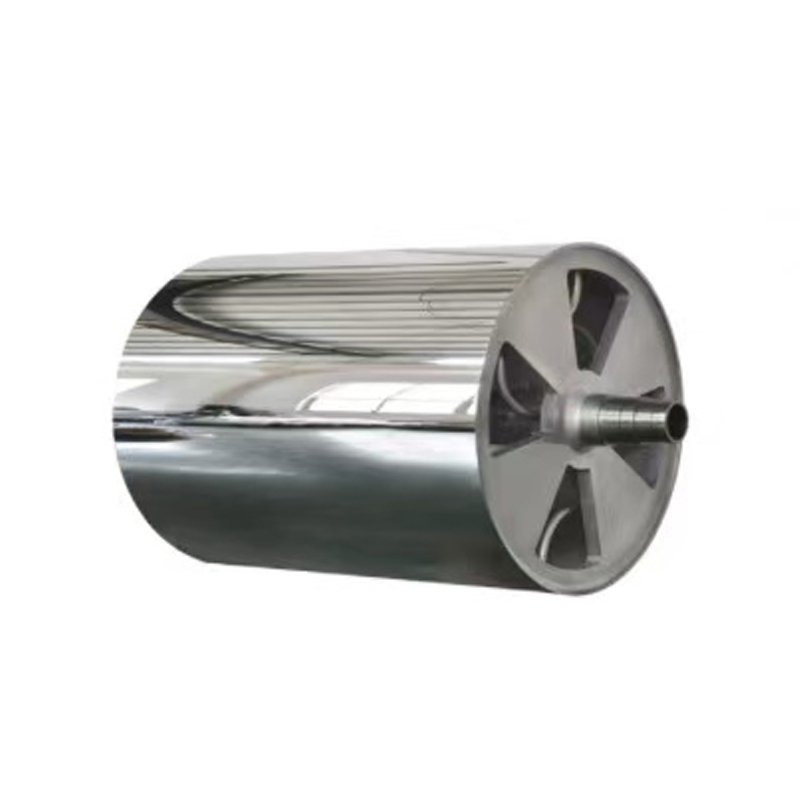
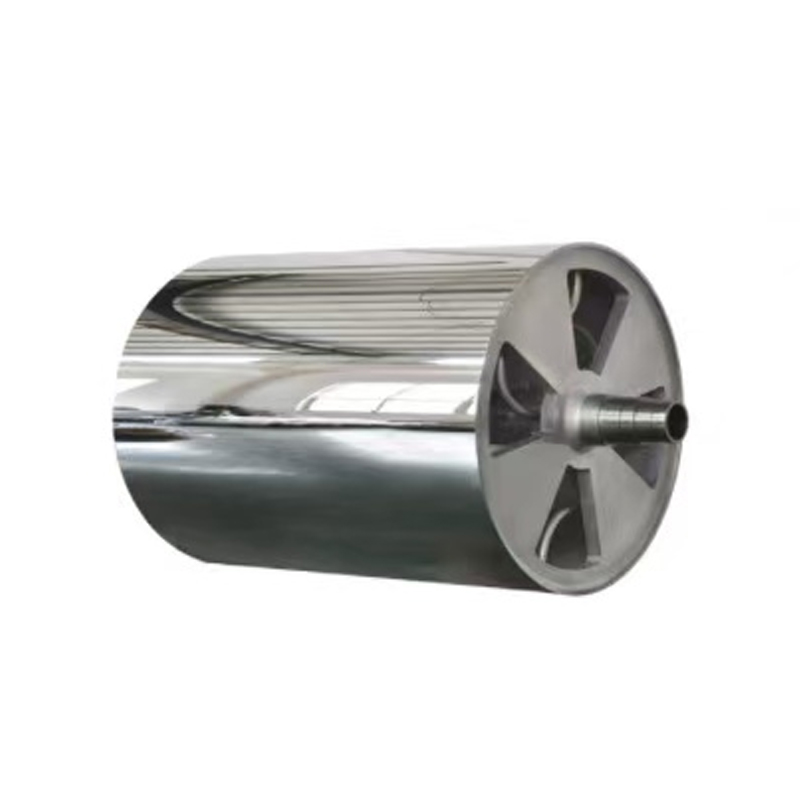
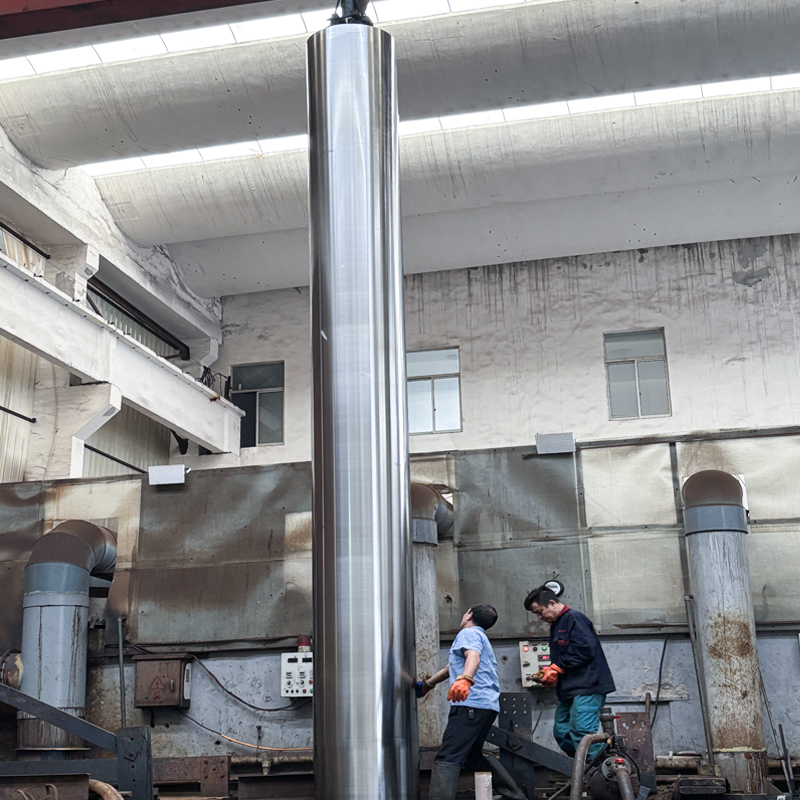
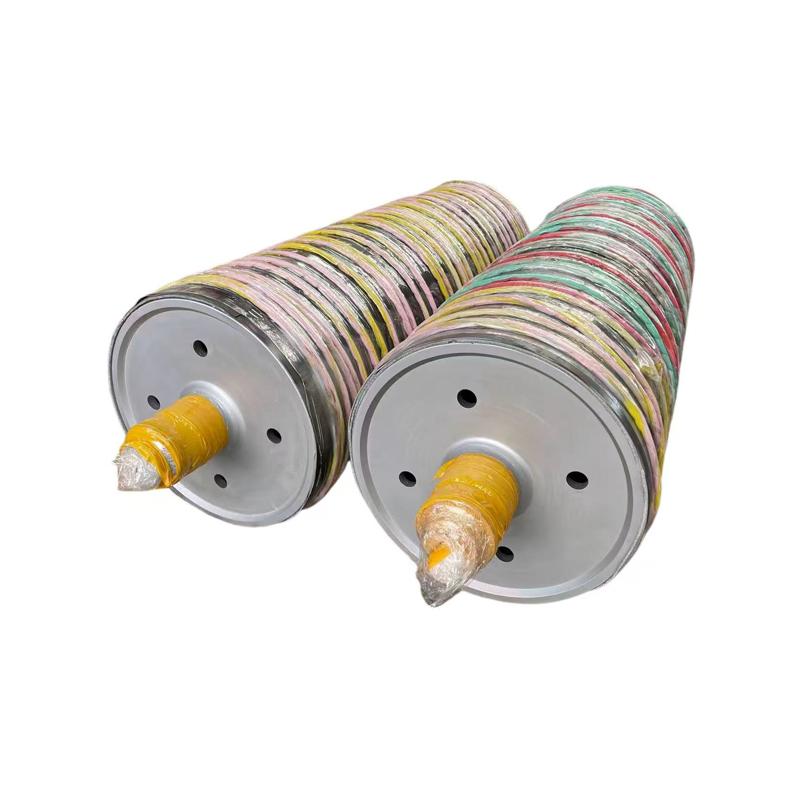
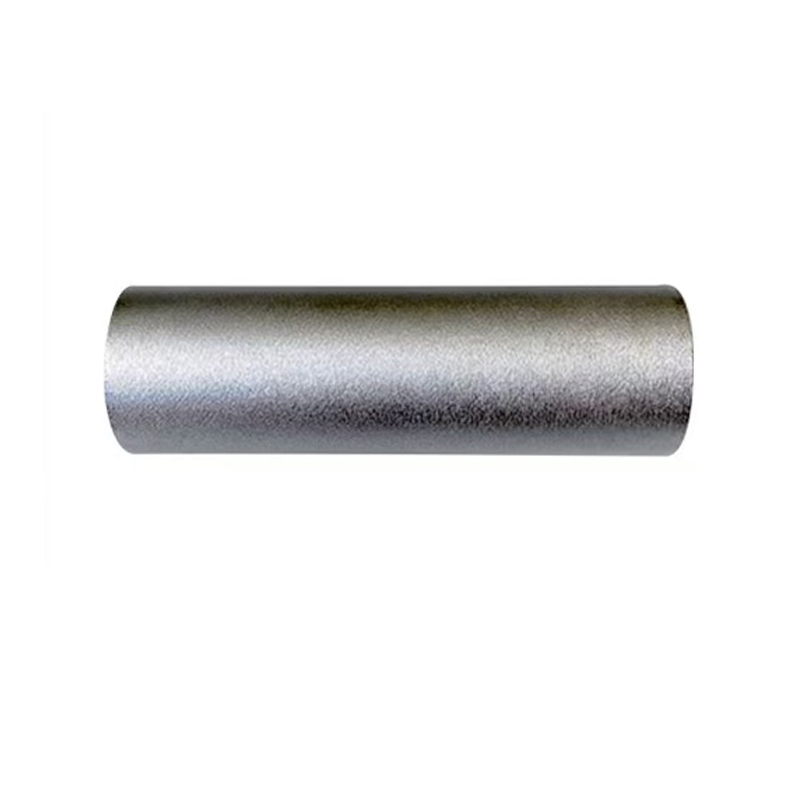
The mirror-finish roller features high-precision surface finishing, superior material properties, and stable mechanical performance. It is widely used across multiple industrial sectors as outlined below:
Features
·High-Precision Surface Finish
The roller surface achieves extremely low roughness — typically Ra ≤ 0.01 μm — approaching a true mirror effect. This ensures the processed material remains smooth and flawless. Through precision grinding, polishing, or advanced coating techniques, the roller surface is rendered free of defects, preventing scratches or marks during material transfer.
·Excellent Material Properties
Manufactured from high-strength alloy steel, stainless steel, or specialty steels, and subjected to heat treatment to enhance hardness and wear resistance. For corrosive environments, stainless steel or surface coatings such as hard chrome plating can be selected to extend service life.
·High Thermal Conductivity and Stability
Some rollers are designed with internal heating or cooling channels (e.g., spiral flow passages) to maintain uniform temperature control during processing. The materials used exhibit low thermal expansion, ensuring dimensional stability even under high-temperature conditions and preventing deformation caused by thermal stress.
·Optimized Structural Design and Performance
The rollers undergo dynamic balancing to minimize vibration during high-speed operation, reducing eccentricity and avoiding material misalignment or equipment wear. Reinforced roller structures — such as thickened walls and internal stiffeners — help prevent bending and ensure uniform pressure distribution across the working surface.
·Superior Wear Resistance and Long Service Life
Through hard chrome plating, ceramic coatings, or laser cladding, the roller surface hardness can exceed HRC 60, effectively resisting long-term friction and wear. Under standard operating conditions, the mirror roller offers a service life of several years with extended maintenance intervals.