

 English
 русский
 中文简体
中文简体
product
product
product
product
product
product
product
product
product
product
product
product
product
product
product
product
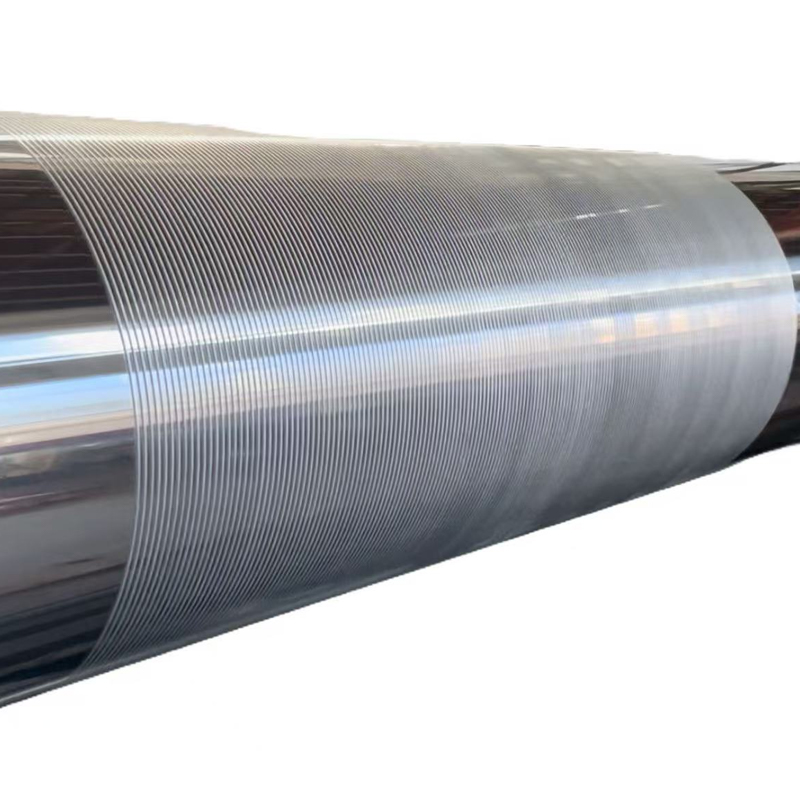
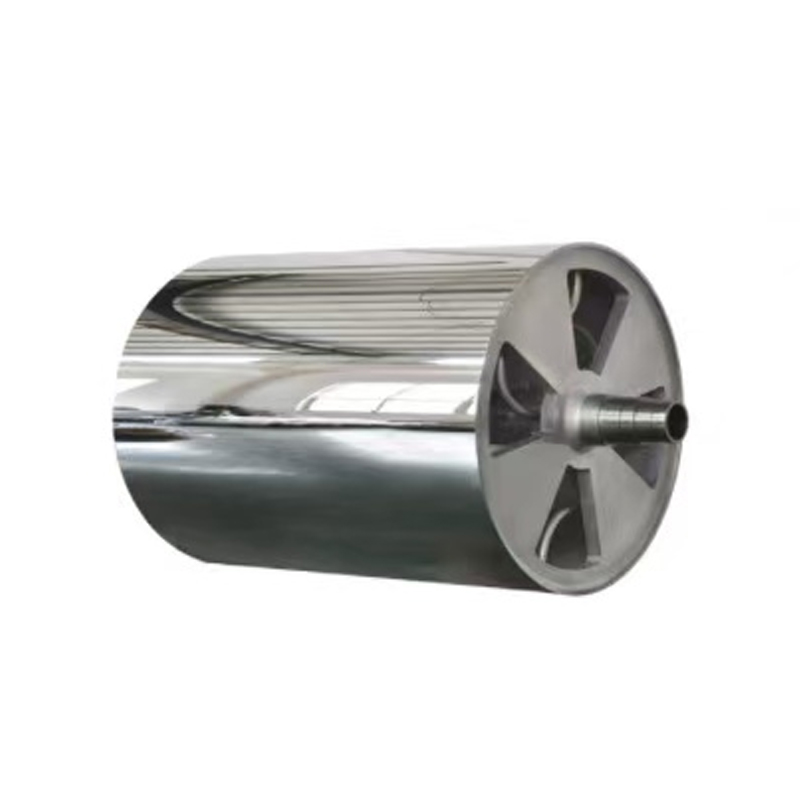
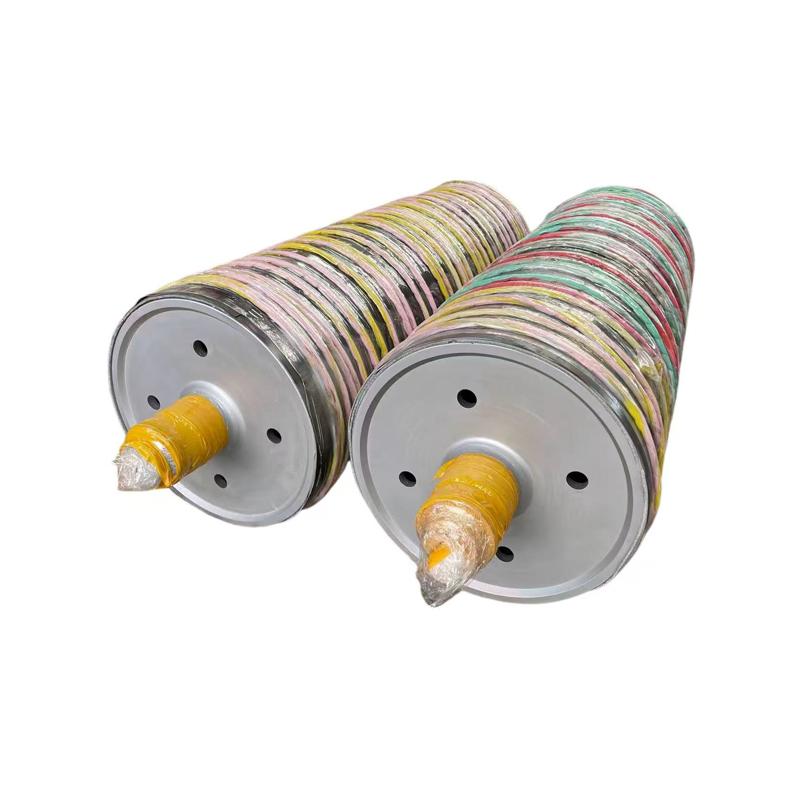
·High-Precision Grooving: The roller surface is machined with grooves according to specific specifications (e.g., groove depth, width, and spacing). The grooving precision is high (typically with an error ≤0.01 mm), ensuring consistency in subsequent processing.
·Excellent Wear Resistance: The rollers are commonly made of wear-resistant materials such as alloy steel or stainless steel. Some surfaces undergo additional hardening treatments like chrome plating or nitriding, achieving hardness up to HRC55 or higher, extending service life and reducing frequent replacements.
·Flexible Adaptability: Groove shapes (e.g., V-type, U-type, rectangular) and arrangements (e.g., spiral, parallel) can be customized based on the material (e.g., metal, plastic, paper) and process requirements, meeting diverse production scenarios.
·Stable Torque Transmission: The roller structure balances rigidity and stability, minimizing vibration during high-speed rotation and ensuring smooth torque transmission. This prevents material deviation or slippage during processing.